🚚 Free Worldwide Shipping on All Orders!Shop Now
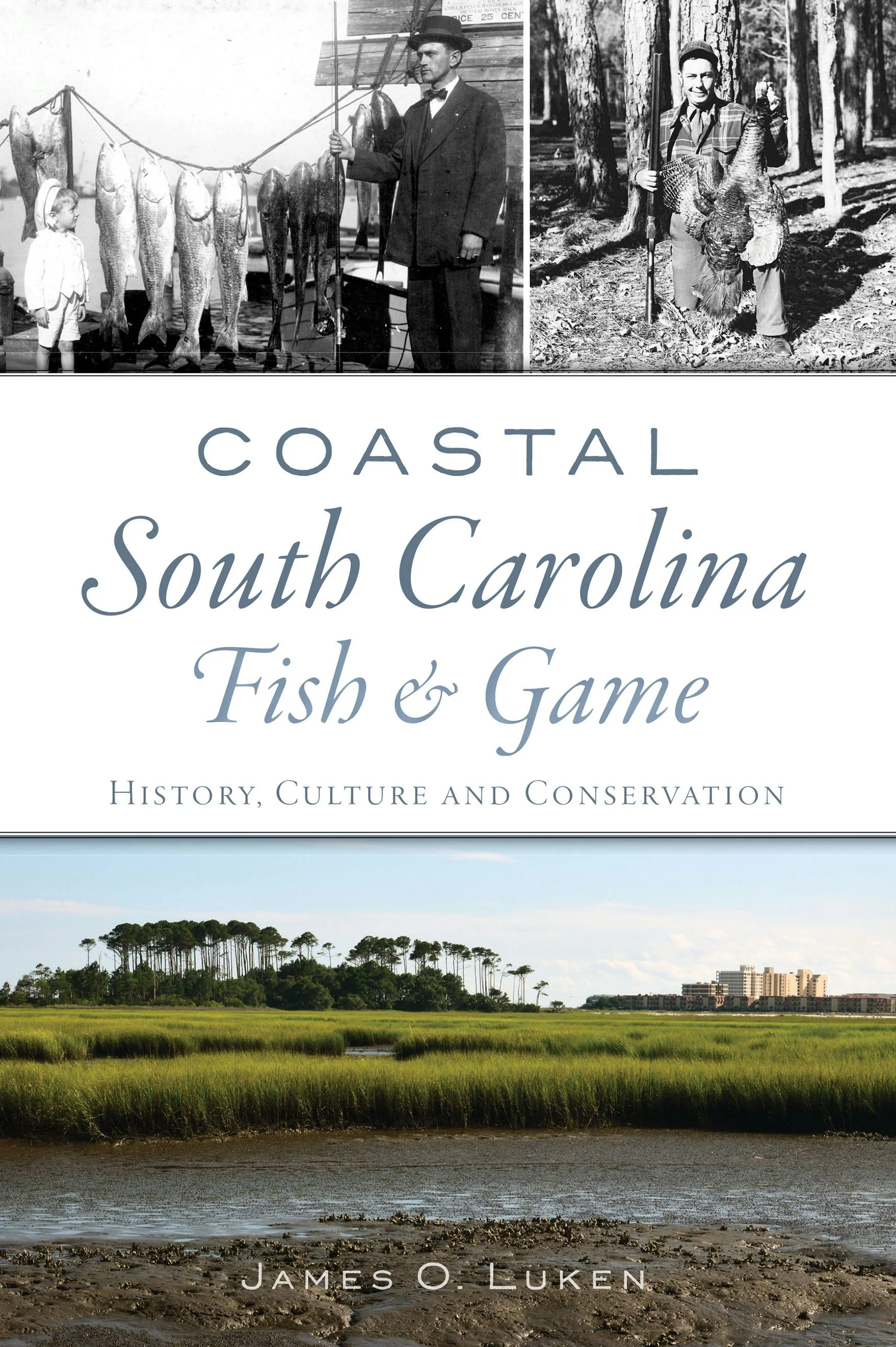
Coastal South Carolina Fish and Game
Few people are familiar with the full history that shaped and preserved the fish and wildlife of coastal South Carolina. From Native Americans to the early colonists to plantation owners and their slaves to market hunters and commercial fishermen, all viewed fish and wildlife as limitless. Through time, however, overharvesting led to population declines, and the public demanded conservation. The process that produced fish and game laws, wardens and wildlife refuges was complex and often involved conflict, but synergy and cooperation ultimately produced one of the most extensive conservation systems on the East Coast. Author James O. Luken presents this fascinating story.
Few people are familiar with the full history that shaped and preserved the fish and wildlife of coastal South Carolina. From Native Americans to the early colonists to plantation owners and their slaves to market hunters and commercial fishermen, all viewed fish and wildlife as limitless. Through time, however, overharvesting led to population declines, and the public demanded conservation. The process that produced fish and game laws, wardens and wildlife refuges was complex and often involved conflict, but synergy and cooperation ultimately produced one of the most extensive conservation systems on the East Coast. Author James O. Luken presents this fascinating story.
$16.49
Coastal South Carolina Fish and Game—
$16.49
Description
Few people are familiar with the full history that shaped and preserved the fish and wildlife of coastal South Carolina. From Native Americans to the early colonists to plantation owners and their slaves to market hunters and commercial fishermen, all viewed fish and wildlife as limitless. Through time, however, overharvesting led to population declines, and the public demanded conservation. The process that produced fish and game laws, wardens and wildlife refuges was complex and often involved conflict, but synergy and cooperation ultimately produced one of the most extensive conservation systems on the East Coast. Author James O. Luken presents this fascinating story.