🚚 Free Worldwide Shipping on All Orders!Shop Now
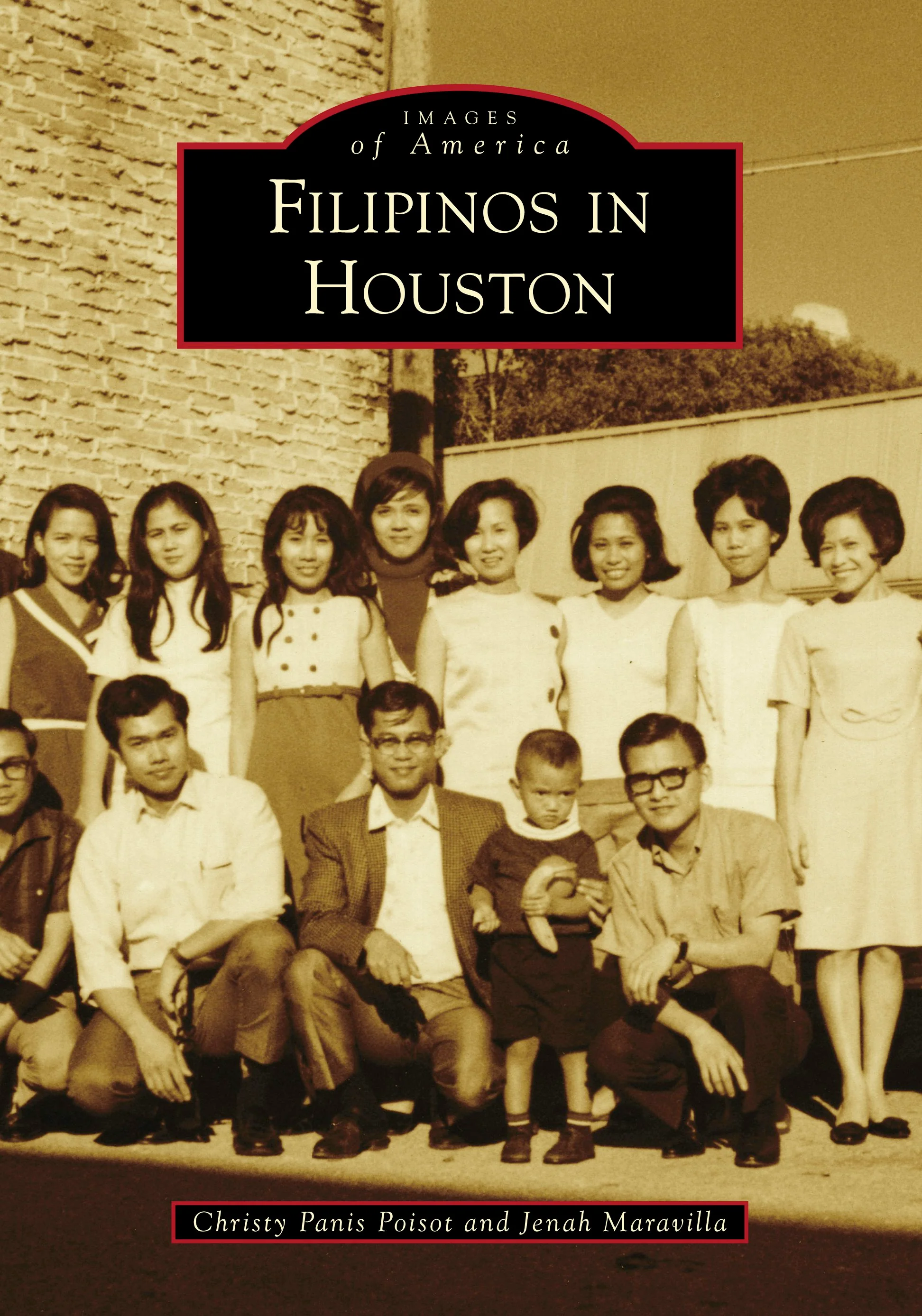
Filipinos in Houston
The first sign of Filipinos in Houston was when Igorots were featured on a 1908 postcard at the annual carnival known as No-Tsu-Oh. Then, in 1912, a young man by the name of Rudolfo Hulen Fernandez appeared in the Campanile yearbook as the first Asian graduate from Rice University. Though the Philippines were an American colony, and Filipinos immigrated to the United States freely in the 1920s and 1930s, there is little evidence of their presence in Houston. In 1934, the Tydings-McDuffie Act reclassified all Filipinos from nationals to aliens, establishing a limit of 50 immigrants per year. The most significant wave of immigration started with the 1965 Immigration Act, which granted the Philippines 20,000 visas a year, igniting the era of the Philippine nurse and her career in the Texas Medical Center. Other professionals, such as accountants and engineers, followed.
The first sign of Filipinos in Houston was when Igorots were featured on a 1908 postcard at the annual carnival known as No-Tsu-Oh. Then, in 1912, a young man by the name of Rudolfo Hulen Fernandez appeared in the Campanile yearbook as the first Asian graduate from Rice University. Though the Philippines were an American colony, and Filipinos immigrated to the United States freely in the 1920s and 1930s, there is little evidence of their presence in Houston. In 1934, the Tydings-McDuffie Act reclassified all Filipinos from nationals to aliens, establishing a limit of 50 immigrants per year. The most significant wave of immigration started with the 1965 Immigration Act, which granted the Philippines 20,000 visas a year, igniting the era of the Philippine nurse and her career in the Texas Medical Center. Other professionals, such as accountants and engineers, followed.
$17.99
Filipinos in Houston—
$17.99
Description
The first sign of Filipinos in Houston was when Igorots were featured on a 1908 postcard at the annual carnival known as No-Tsu-Oh. Then, in 1912, a young man by the name of Rudolfo Hulen Fernandez appeared in the Campanile yearbook as the first Asian graduate from Rice University. Though the Philippines were an American colony, and Filipinos immigrated to the United States freely in the 1920s and 1930s, there is little evidence of their presence in Houston. In 1934, the Tydings-McDuffie Act reclassified all Filipinos from nationals to aliens, establishing a limit of 50 immigrants per year. The most significant wave of immigration started with the 1965 Immigration Act, which granted the Philippines 20,000 visas a year, igniting the era of the Philippine nurse and her career in the Texas Medical Center. Other professionals, such as accountants and engineers, followed.